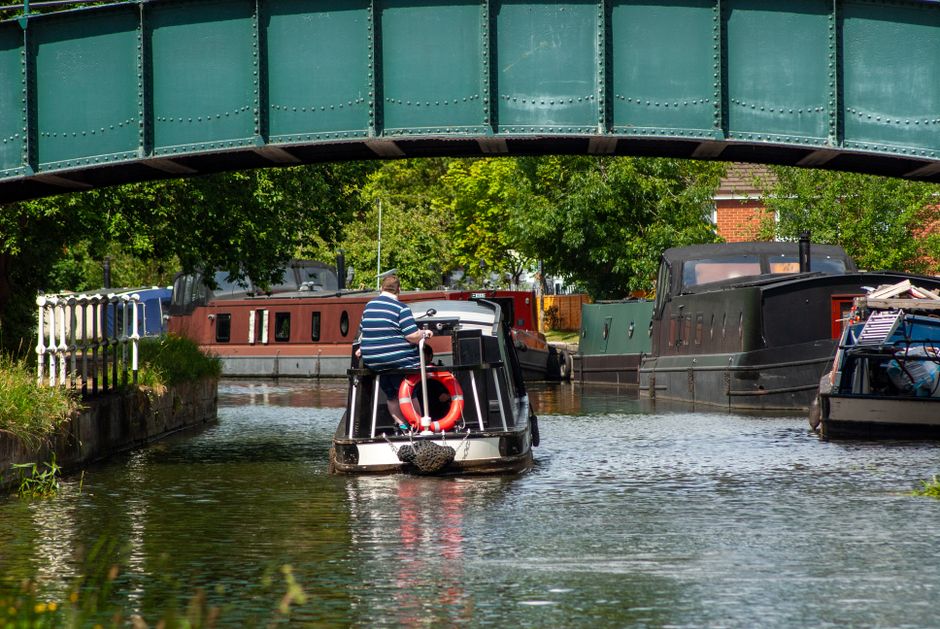
Hertford Union Canal boat upholstery cleaning local specialists
If you live, work, or cruise around the Hertford Union Canal, you already know boat interiors take a beating. Damp air, muddy shoes, pets, cooking smells, splash marks, and that constant stop-start rhythm of canal life all settle into cushions and soft furnishings faster than most people expect. That is why Hertford Union Canal boat upholstery cleaning local specialists matter: they understand both the fabric care side and the realities of working on boats in a compact, slightly awkward environment.
This guide explains what professional canal boat upholstery cleaning involves, why it is worth doing properly, how the process works, and what to look for if you want a local specialist rather than a generic cleaner. You will also find practical tips, a comparison of methods, a real-world style example, and a checklist you can actually use. No fluff. Just the useful stuff.
Table of Contents
- Why Hertford Union Canal boat upholstery cleaning local specialists Matters
- How Hertford Union Canal boat upholstery cleaning local specialists Works
- Key Benefits and Practical Advantages
- Who This Is For and When It Makes Sense
- Step-by-Step Guidance
- Expert Tips for Better Results
- Common Mistakes to Avoid
- Tools, Resources and Recommendations
- Law, Compliance, Standards, or Best Practice
- Options, Methods, or Comparison Table
- Case Study or Real-World Example
- Practical Checklist
- Conclusion
- Frequently Asked Questions
Why Hertford Union Canal boat upholstery cleaning local specialists Matters
Boat upholstery is not the same as house upholstery, and anyone who has spent a wet week on the cut will tell you that straight away. On a canal boat, fabric is exposed to different pressures: condensation, limited airflow, damp from coats and boots, spills from galley cooking, and sometimes a bit of diesel or engine-room residue drifting in. Add narrow cabins, fitted seating, bunk areas, and storage that makes every inch count, and you have a cleaning job that needs more than a quick once-over.
Local specialists bring practical value because they tend to understand the local environment, the access issues around moorings, and the kind of wear common on boats travelling or staying near the Hertford Union Canal. That means they are more likely to spot problems early, choose a safer cleaning approach, and avoid over-wetting fabrics that take forever to dry in a marine setting. To be fair, that drying stage is where many DIY attempts go wrong.
There is also the matter of comfort. Soft furnishings are a huge part of how a boat feels. If cushions smell stale, feel gritty, or hold on to pet hair, the whole cabin feels tired. A proper clean can lift the interior without changing the boat itself. Small difference, big impact.
Expert summary: the best local upholstery cleaning service for a canal boat is not just about making fabric look nicer. It is about moisture control, fabric safety, cabin practicality, and choosing methods that suit life on the water.
How Hertford Union Canal boat upholstery cleaning local specialists Works
A good upholstery clean on a canal boat usually starts with inspection. The cleaner looks at the type of fabric, the age of the cushions, existing stains, signs of mould or mildew, and how much ventilation the boat has. That first look matters more than people think. A cotton-blend cushion with light general soil can be treated very differently from a synthetic seat pad with salt marks, pet odour, or food spillages.
After inspection comes testing. A specialist will normally test a small hidden area first to see how the fabric responds to water, detergents, agitation, and extraction. That is especially important on boats where materials may have been repaired, re-covered, or treated at different times.
The actual cleaning method can vary. In many cases, the work involves:
- dry soil removal and thorough vacuuming
- spot pre-treatment for stains
- careful application of a suitable cleaning solution
- gentle agitation where needed
- extraction or controlled wipe-down
- deodorising or rinse balancing if appropriate
- final checks for moisture, residue, and finish
On a canal boat, drying strategy is just as important as the wash itself. A specialist may use air movers, advise on opening hatches, or schedule the clean at a time when the boat can be ventilated properly. If the interior stays damp too long, you can end up with that musty smell again, and nobody wants a clean sofa that smells like a wet week in November.
Some jobs are straightforward. Others are fiddly. Narrow access, fixed seating, unusual foam density, and uneven wear all change the process. That is why experience with marine or boat interiors is worth more than a general promise of "deep cleaning".
Key Benefits and Practical Advantages
There is a very practical reason people book upholstery cleaning for canal boats: it makes everyday life easier. Clean soft furnishings are not just nicer to sit on. They are easier to maintain, less likely to hold odours, and often more pleasant to live with over the long term.
Here are the main benefits people tend to notice:
- Better appearance: marks, dullness, and heavy soiling are reduced, which makes the whole cabin look fresher.
- Improved odour control: food smells, pet smells, damp notes, and general stale air are easier to manage.
- More comfortable living space: clean upholstery feels softer, cleaner, and more inviting.
- Fabric longevity: regular care can help reduce premature wear caused by embedded dirt and grime.
- Better hygiene: soft furnishings can trap dust, crumbs, and allergens, especially in small enclosed spaces.
- Higher resale appeal: if you ever sell or let the boat, tidy upholstery helps create a stronger first impression.
There is also a quieter benefit: peace of mind. You stop noticing the sofa every time you walk past it. That sounds small, but on a boat, the little frustrations stack up fast. A cleaner interior just feels calmer.
If you want to see how upholstery care fits into broader soft-furnishing maintenance, it can be useful to look at related services such as upholstery cleaning and stain removal, especially when fabrics have mixed-use wear rather than one obvious issue.
Who This Is For and When It Makes Sense
This service is a strong fit for liveaboard boaters, leisure boat owners, hire boat operators, and anyone managing a canal boat that gets regular foot traffic. It also makes sense for people who have recently bought a boat and want a proper reset before moving in. Truth be told, it is often easier to clean before the boat is fully loaded with belongings.
You may need a local specialist if:
- the upholstery smells damp or musty
- you have visible stains from food, drink, mud, or pets
- the cushions feel grimy even after vacuuming
- there is mildew or mould spotting on the fabric or seams
- the boat has not had a deep clean in a long time
- you are preparing the boat for sale, letting, or guests
- you need a cleaner who can work around limited access or marina schedules
It also makes sense after seasonal changes. Spring often reveals what winter has been hiding. Windows open, sunlight hits the fabric, and suddenly the old marks are impossible to ignore. Happens every year.
Not every case needs the most intensive treatment, though. Sometimes a targeted clean of high-contact areas is enough. A knowledgeable specialist should be able to tell you when a full clean is worthwhile and when a lighter touch will do the job.
Step-by-Step Guidance
If you are booking a specialist for the first time, it helps to know what the process should look like. That way, you are not left guessing whether the job was done properly.
- Initial enquiry and assessment
Share the type of boat, the upholstery material if known, the main concerns, and any access limitations. Mention pets, stains, damp, or previous cleaning attempts. The more honest you are here, the better the recommendation. - Fabric identification
Good cleaners will work out whether the upholstery is synthetic, blended, natural fibre, or a mixed construction with different panels. That affects moisture use and chemical choice. - Patch testing
A discreet test spot helps avoid colour bleeding or texture damage. On boats, that matters because reupholstery can be expensive and awkward. - Dry soil removal
Vacuuming comes first. It lifts grit and crumbs that would otherwise turn into muddy residue during wet cleaning. - Pre-treatment of stains and odours
Specialist products may be used on isolated marks before the main clean. This is where care counts; too much product can leave residue behind. - Controlled cleaning
The cleaner applies the chosen method, keeping moisture under control. The goal is clean fabric, not soaked foam. - Extraction or wipe removal
Depending on the fabric, soil and solution are removed with extraction equipment or careful manual methods. - Drying and ventilation
Airflow is encouraged. On a canal boat, this stage may need more planning than on land. - Final review
The cleaner checks for stains that need a second pass and confirms whether any areas may need extra drying time.
If you are comparing options, ask how the company handles moisture and how long they expect drying to take. That one question often tells you a lot.
Expert Tips for Better Results
A few simple habits can make professional cleaning last longer. Nothing fancy. Just sensible maintenance that fits boat life.
- Vacuum regularly: grit and crumbs act like sandpaper on fabric fibres.
- Deal with spills quickly: blot, don't rub. Rubbing pushes the mark deeper.
- Improve airflow: open hatches and use ventilation where safe to do so.
- Use washable throws on heavy-use areas: especially if pets or children are aboard.
- Rotate cushions where possible: this helps spread wear more evenly.
- Keep damp clothing away from seating: easier said than done, but it really helps.
- Book seasonal maintenance: a spring clean and an autumn check can prevent build-up from becoming a bigger job.
One practical tip that gets overlooked: note which cushions stain fastest and why. Galley-side seating, for example, often needs different care from sleeping-area upholstery. Small observation, useful result.
And if you notice recurring pet odour or lingering smells after cleaning, it may be worth looking at the wider soft-furnishing environment too, including pet stain and odour removal and even surrounding textiles such as curtain cleaning if the cabin holds on to smells.
Common Mistakes to Avoid
Boat upholstery cleaning is one of those jobs where the wrong shortcut causes more trouble than the original stain. Easy to do. Annoying to fix.
- Over-wetting the fabric: this can leave foam damp for too long and encourage odours.
- Using the wrong cleaner: household products may be too harsh or leave sticky residue.
- Skipping a patch test: risky on older or colour-sensitive fabrics.
- Trying to scrub stains out aggressively: this can rough up the pile or spread the mark.
- Ignoring the foam underneath: a surface that looks clean can still smell if the inner padding is affected.
- Cleaning without enough drying time: a rushed job often looks fine at first, then feels wrong a day later.
- Choosing purely on price: the cheapest option can be expensive if the upholstery shrinks, smears, or takes forever to dry.
There is a temptation to treat upholstery like a rug or a sofa in a house. Not the same. Not even close, really. A canal boat is a small system, and moisture moves through that system very differently.
Tools, Resources and Recommendations
Specialists working on canal boat upholstery typically rely on a mix of inspection tools, fabric-safe detergents, vacuum systems, extraction equipment, hand applicators, microfiber cloths, and drying aids. The exact kit depends on the job, but the principle is always the same: remove soil efficiently while keeping the fabric and foam as dry as practical.
If you are assessing a provider, the following signs are encouraging:
- they ask about fabric type before quoting
- they mention testing and drying, not just "deep clean"
- they can explain how they handle odour or mildew concerns
- they offer clear pricing and expectations up front
- they are comfortable discussing access and working conditions on boats
For related cleaning needs on the same boat, it may help to explore sofa cleaning, rug cleaning, or even mattress cleaning if the whole living space needs attention. A coordinated approach often saves time and gives a more even finish across the interior.
If you like to plan ahead, a good local provider should also be transparent about pricing and quotes so you can compare like for like rather than guessing what is included.
Law, Compliance, Standards, or Best Practice
For this kind of work, the main concerns are not usually legal complexity but good practice, safety, and care with materials. That said, responsible cleaners should still operate with sensible safeguards. On a boat, that includes attention to ventilation, product handling, electrical safety around powered equipment, and minimising slip risks from damp floors.
In the UK, a professional cleaning business is expected to work in line with appropriate health and safety practice, manage chemicals responsibly, and carry suitable insurance for the work it undertakes. You do not need a law lecture over the kettle, but you do want to know the company takes risk seriously. Ask about insurance, how they protect the boat interior, and what happens if a stain worsens or a material reacts unexpectedly.
Best practice also means honest communication. If a mark is permanent, a good cleaner should say so. If a fabric is delicate, they should explain the limitation. Confidence is useful. Overconfidence is not.
It can be reassuring to review a company's published health and safety policy, insurance and safety information, and terms and conditions before booking. For customers who care about fair handling of data and payments, the pages on privacy policy and payment and security are also worth a look.
Environmental care can matter too, especially in waterside settings. If sustainability is important to you, ask how waste water, product choice, and disposal are handled. A thoughtful provider should be able to speak plainly about recycling and sustainability without making a song and dance of it.
Options, Methods, or Comparison Table
Not every upholstery job needs the same method. The right choice depends on fabric type, soil level, drying constraints, and how the boat is used.
| Method | Best for | Pros | Watch-outs |
|---|---|---|---|
| Hot water extraction | Durable synthetic fabrics with deeper soiling | Strong soil removal, good for heavier use | Needs careful moisture control on boats |
| Low-moisture cleaning | Delicate fabrics or interiors that must dry quickly | Faster drying, less risk of damp buildup | May be less effective on stubborn grime |
| Foam or encapsulation-style cleaning | Routine maintenance and lighter soiling | Useful for upkeep, often manageable in tight spaces | May need follow-up vacuuming or repeat attention |
| Targeted stain treatment | Isolated marks, spills, spot issues | Efficient and cost-conscious | Not ideal if the whole seat set is heavily soiled |
A lot of people assume stronger is better. Not always. On a canal boat, the safest method is often the one that leaves the fabric clean and dries quickly enough for the space you actually have. That is the real trick.
Case Study or Real-World Example
Here is a realistic example based on the sort of job a local specialist might handle. A liveaboard couple on a narrowboat near the Hertford Union Canal had a set of fitted bench cushions that were looking tired after a wet winter. There were boot marks near the entrance, mild food stains from the galley, and a lingering damp smell that got worse on humid mornings.
The cleaner first checked the fabric, tested a hidden section, and confirmed the cushions were suitable for low-moisture treatment rather than a heavy soak. The work began with a thorough vacuum, then careful spot treatment around the worst marks. The cleaner used controlled application, avoided saturating the foam, and advised the owners to keep hatches open for airflow during the afternoon.
By the evening, the cushions looked brighter and felt fresher. The smell had lifted noticeably, though the cleaner made it clear that some older marks had become permanent shading rather than fully removable stains. That kind of honesty matters. It means the customer understands what has been improved and what is simply part of the fabric's history.
The owners later said the biggest change was not just appearance but how the cabin felt. Less stale, less heavy, easier to live in. A good clean does that. It changes the mood of the space a bit. Hard to measure, but very real.
Practical Checklist
Use this before you book or before a cleaner arrives. It saves time and avoids a few awkward surprises.
- Identify the main upholstery areas that need cleaning
- Note any visible stains, odours, or mould spots
- Check whether the boat has enough ventilation for drying
- Move loose items away from seating and cushion edges
- Tell the cleaner about pets, smoking, food spills, or previous treatment products
- Ask what method they recommend and why
- Confirm whether patch testing will be done
- Ask how long drying is likely to take
- Check whether access to the mooring or boat is straightforward
- Make sure you understand the quoted scope before work begins
Quick takeaway: the best results usually come from a mix of the right method, honest communication, and enough drying time. Nothing glamorous. Just good practice done properly.
If you are choosing a provider in the area, it can also help to read a bit about the company itself via about us and, if needed, the route to book through contact us. That small bit of homework can make the whole process feel a lot less guessy.
Conclusion
Hertford Union Canal boat upholstery cleaning local specialists are valuable because they understand the fine details that matter on a boat: limited space, moisture control, varied fabrics, and the practical reality of life on the water. Whether you are dealing with everyday grime, stubborn odours, pet mess, or simply a cabin that feels past its best, the right specialist can make a noticeable difference without overcomplicating the job.
Choose carefully, ask sensible questions, and pay attention to drying as much as cleaning. That is usually where the real quality shows up. A fresh interior can lift the whole boat, and honestly, that feeling never gets old.
Get a free quote today and see how much you can save.
Sometimes the best upgrade is not a new fitting or a clever gadget. Sometimes it is just sitting down on a clean cushion, looking around, and thinking: yes, this feels right.
Frequently Asked Questions
What makes canal boat upholstery cleaning different from house upholstery cleaning?
Boat upholstery has to cope with more damp, tighter spaces, and less predictable airflow. That means cleaning methods need to be more controlled, especially around drying time and moisture levels.
How often should I clean the upholstery on a canal boat?
It depends on use, pets, ventilation, and how often the boat is occupied. Many owners arrange a deeper clean seasonally or whenever stains and odours begin to build up.
Can upholstery cleaning remove mould or mildew smells?
Sometimes, yes, especially if the issue is still surface-level and the foam underneath has not been badly affected. If mildew has penetrated deeply, treatment may improve the smell but not remove every trace.
Will the cushions take a long time to dry?
They can, particularly on a boat with limited ventilation. A specialist should explain the likely drying time and advise on airflow, which makes a big difference.
Is steam cleaning safe for boat upholstery?
Not always. Steam can be effective on some fabrics, but on boats it must be used carefully because excess heat and moisture can create drying problems or damage delicate materials.
Can you clean fitted seating and awkward corners?
Yes, but it may take more care and more time. Fitted seating is common on boats, so experienced cleaners should be comfortable working around tight access and unusual shapes.
What if my upholstery has pet stains or odour?
That usually needs targeted treatment rather than a standard wipe-down. Pet-related issues often benefit from a combination of stain treatment, deodorising, and proper drying.
How do I know if a cleaner is suitable for marine or boat interiors?
Ask how they handle moisture, what fabrics they have experience with, and whether they inspect and test before cleaning. A good answer will sound specific, not vague.
Should I clean the upholstery myself or hire a specialist?
Small surface marks can sometimes be handled at home, but on a canal boat there is more risk of over-wetting, staining, or causing a longer-term damp issue. A specialist is usually safer for larger or older jobs.
What should I do before the cleaner arrives?
Clear loose items, note problem areas, and make sure the boat can be ventilated. If you know where the worst stains are, point them out early so nothing gets missed.
Can upholstery cleaning help before selling a boat?
Absolutely. Fresh upholstery improves first impressions and can make the cabin feel more cared for. It will not fix structural issues, but it can make the interior feel far more appealing.
How do I choose between different cleaning methods?
Ask the cleaner to explain the trade-off between cleaning power and drying time. On a boat, the best method is often the one that suits the fabric and the space, not the one that sounds the strongest.