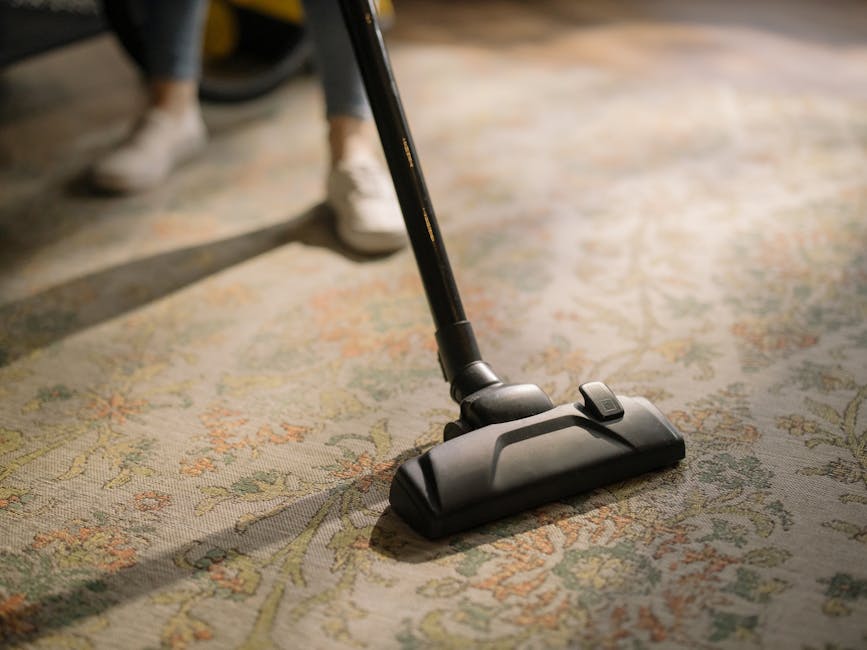
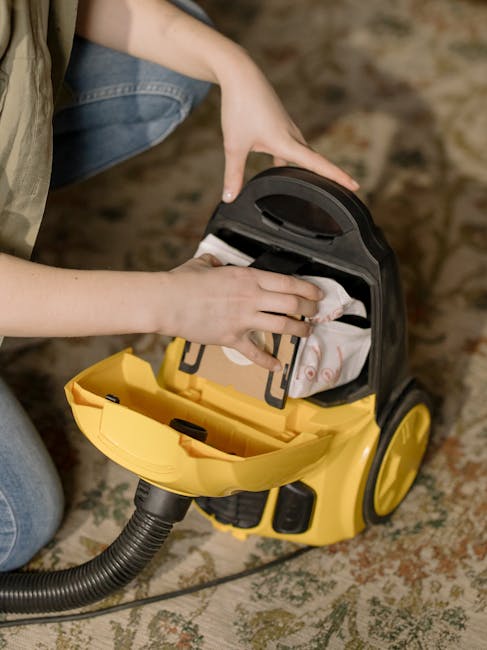
Old Ford Road carpet cleaning guide for E3 homes
If you live near Old Ford Road and you are trying to keep carpets looking decent in an E3 home, you already know the pattern: muddy shoes after a wet day, a bit of traffic dust, a spill that seemed minor at 8pm and looks far less minor by morning. This Old Ford Road carpet cleaning guide for E3 homes brings the practical bits together in one place, so you can decide what to do yourself, when to book a professional clean, and how to protect your carpets for longer. It is written for real homes, not showroom-perfect ones. Truth be told, most carpets just need the right approach, not miracles.
Whether you are dealing with family wear, pet odours, old stains, or simply that dull, tired look that settles in over time, this guide will help you make better choices. You will find a clear step-by-step process, useful comparisons, common mistakes, and a checklist you can actually use. If you are comparing services too, you may also want to look at the broader carpet cleaning service and the more targeted stain removal options for awkward spots that need extra attention.
Table of Contents
- Why this matters for E3 homes
- How carpet cleaning works in practice
- Key benefits and practical advantages
- Who this guide is for
- Step-by-step guidance
- Expert tips for better results
- Common mistakes to avoid
- Tools, resources and recommendations
- Law, compliance, standards and best practice
- Options and methods compared
- Case study or real-world example
- Practical checklist
- Conclusion
- Frequently asked questions
Why Old Ford Road carpet cleaning guide for E3 homes Matters
Old Ford Road sits in a part of East London where homes see a fair bit of everyday foot traffic. You get the usual mix: street dust, rainwater, pram wheels, takeaway crumbs, pet hair, and the occasional mystery mark that turns up right before guests arrive. That makes carpet care more than a cosmetic job. It is about keeping the space fresher, easier to live in, and less likely to hold onto dirt that grinds down fibres over time.
For E3 homes, timing matters too. Period properties, flats, and newer developments all handle moisture, airflow, and daily wear a little differently. A carpet in a warm, well-ventilated flat will behave differently from one in a ground-floor home that sees damp shoes and less through-ventilation. So the same clean-up method is not always the right one. A smart approach saves you from over-wetting, colour bleed, or that frustrating moment where a stain looks better while damp and then sneaks right back once dry.
There is also the matter of comfort. A carpet can look "fine" and still feel tired underfoot. When fibres trap fine grit, they go flat and scratchy. You notice it in the hallway first, then in the lounge. If you have children, pets, or anyone with sensitivities, regular cleaning can make the home feel calmer and easier to maintain. Small thing, big difference.
And let's be honest, no one wants to spend Sunday afternoon scrubbing a patch for the third time. Better to know what works.
How Old Ford Road carpet cleaning guide for E3 homes Works
At its simplest, carpet cleaning works by lifting dirt, oils, allergens, and stain residue out of the pile before they become embedded. The method you choose depends on the carpet type, the level of soiling, and whether you are dealing with a fresh spill or a long-standing mark. In a typical E3 home, the process is a mix of inspection, preparation, targeted treatment, cleaning, and drying. Straightforward on paper. A bit more nuanced in real life.
Professional carpet cleaning usually starts with a survey of the fibre and backing. Wool, wool blends, synthetics, and delicate pile styles each need a slightly different touch. Then comes dry soil removal. This matters more than people think. If grit is left in the carpet, wet cleaning can just turn it into a muddy paste. After that, a pre-treatment may be applied to loosen traffic marks, food residue, or grease. The actual cleaning step may involve hot water extraction, low-moisture methods, or steam-based techniques depending on the situation.
For homes near busy roads or with a lot of indoor-outdoor movement, hot water extraction is often a sensible choice because it can reach deep into the pile. For more delicate textiles or fast-turnaround situations, low-moisture approaches can be better. If you are unsure, compare the purpose of the job rather than the marketing terms. The name of the method matters less than whether it suits your carpet.
Some jobs also need linked services. A carpet with pet smells might benefit from pet stain and odour removal, while worn upholstery in the same room may need upholstery cleaning so the room feels genuinely refreshed rather than half-done. You know the feeling when the sofa still looks tired even though the carpet is bright? Exactly that.
Key Benefits and Practical Advantages
A proper carpet clean is not just about appearance. Yes, the room looks brighter. But the real gains tend to be practical.
- Better appearance: traffic lanes soften, colours look richer, and the pile stands up more evenly.
- Less trapped dirt: regular cleaning removes grit before it cuts into the fibres.
- Improved freshness: everyday smells from cooking, pets, and general living are reduced.
- Longer carpet life: cleaning helps slow wear, especially in hallways and stairs.
- More comfortable rooms: the carpet feels softer and less dusty underfoot.
- Better stain control: stains are easier to treat before they set.
There is also a psychological benefit that people often overlook. A cleaner floor changes how a whole room feels. You open the door and things just seem more under control. That sounds simple, but it matters when home life is busy.
Expert summary: in most E3 homes, the best results come from combining sensible maintenance, quick spill response, and the right cleaning method for the fibre. Not the most aggressive treatment, not the cheapest shortcut, just the right fit.
If budget and planning are part of your decision, it is sensible to review pricing and quotes early so you can match the cleaning approach to the room count, stain level, and drying expectations. No surprises. That helps.
Who This Is For and When It Makes Sense
This guide is useful for a few different E3 households, and they do not all need the same level of service.
Busy family homes: if your hallway gets constant traffic, or children bring in soil and snack debris faster than you can say "take your shoes off", regular cleaning is worth it. The same applies if you have a playroom that doubles as a dining area. It happens.
Pet owners: animal hair is one thing, but odour and tracked-in grime are another. If your carpet smells a bit stale even after vacuuming, you may need deeper treatment.
Renters and landlords: end-of-tenancy cleaning often needs a careful, evidence-based approach. The aim is not just a nicer look; it is restoring the carpet to a reasonable standard for inspection. Mild wear is normal, but stains and smells can become sticking points.
Older homes and flats: some carpets in older properties have seen multiple treatments over the years. They may need extra caution, especially around seams, dyes, or fragile backing.
Households preparing to sell or welcome guests: sometimes the timing is all about presentation. A fresh carpet can lift the whole room without any other changes, which is handy if you are trying to make the place feel cared for without a big renovation.
It also makes sense after events like winter slush, a burst of heavy rainfall, or a particularly messy stretch of everyday life. There is no award for letting a stain become a household fixture.
Step-by-Step Guidance
Here is a practical way to approach carpet cleaning in an E3 home without making things more complicated than they need to be.
- Identify the carpet type. Check whether it is wool, synthetic, mixed fibre, or something more delicate. If you are unsure, test cautiously in a hidden area.
- Vacuum thoroughly. Do this slowly, especially in walkways and around furniture edges. The first vacuum pass removes loose grit; the second often does more than you expect.
- Spot the problem areas. Map out stains, odours, traffic lanes, and any fraying or colour sensitivity. Fresh spills should be treated separately from general soil.
- Pre-treat carefully. Use an appropriate stain solution only after checking compatibility. Do not rub hard. Blotting is usually safer than scrubbing.
- Choose the method. For many busy homes, hot water extraction is effective. For lighter refreshes, a low-moisture method may be enough.
- Control moisture. Too much water can lead to long drying times and lingering smells. In a compact flat, that becomes a real issue quickly.
- Work methodically. Clean in sections so you do not miss corners or double-treat the same patch.
- Dry properly. Open windows if weather allows, improve airflow, and keep foot traffic off the carpet until it is fully dry.
- Post-check the result. Look again once dry. Some stains "wick" back to the surface as fibres dry, which is annoying, but not unusual.
For particularly stubborn marks, a dedicated stain removal treatment can be the difference between a faded shadow and a proper result. And if the issue is more than the carpet, perhaps a sofa arm or curtain edge has also picked up grime, you may want to combine the visit with sofa cleaning or curtain cleaning. One room, one refresh. Makes sense.
Expert Tips for Better Results
Small changes often make the biggest difference. That is the part people miss when they focus only on the machine or the chemical.
- Deal with stains fast. The first 15 minutes often matter more than the product label. Fresh spill, better outcome. Usually.
- Use the least aggressive method that works. Heavy treatment on a delicate carpet can do more harm than good.
- Keep airflow moving. A fan or open window can speed drying and reduce that damp-carpet smell.
- Lift furniture carefully. Heavy furniture can trap moisture underneath if moved back too soon.
- Protect high-traffic spots. Entry mats, rugs, and sensible shoe habits reduce repeat dirt. Boring advice, but it works.
- Rotate your attention. Hallways and living rooms usually need attention before spare rooms do.
A quick real-world note: in homes around busy roads, the carpet often looks "dirty" before it truly looks stained. That fine grey dust sits low in the pile and slowly dulls the room. If you only treat visible marks, you can miss the bigger issue. Deep soil removal is what brings the colour back.
If you are asking whether steam or hot water is better, the honest answer is: it depends on the fibre, the level of soiling, and the drying window you have. A carpet in a warm, airy loft can handle one approach. A ground-floor room in a humid week may need another. Common sense beats labels.
Common Mistakes to Avoid
This is where a lot of DIY jobs go sideways. Not always dramatically, but enough to leave the carpet looking patchy or smelling odd the next day.
- Over-wetting the pile: too much water can push dirt deeper and increase drying time.
- Scrubbing stains hard: this can distort fibres and spread the mark wider.
- Using one product on everything: what works on synthetic carpet may be wrong for wool.
- Skipping vacuuming before wet cleaning: loose grit turns into slurry and mud.
- Putting furniture back too early: it can leave marks or trap moisture underneath.
- Ignoring the source of odour: if the smell is from underlay or pet contamination, the surface clean alone may not solve it.
One of the biggest mistakes, oddly enough, is trying to rescue a carpet too many times in one afternoon. You clean, wait five minutes, clean again, use more product, then a bit more. By the end, the carpet looks like it has had a small argument. If a stain has already resisted one careful attempt, pause and reassess before going in again.
Also, do not assume every patch that seems worse after cleaning is a failure. Sometimes it is just drying unevenly or showing a wick-back stain. Annoying? Yes. Permanent? Not always.
Tools, Resources and Recommendations
You do not need a van full of equipment to manage carpet care, but the right basics help a lot.
- Vacuum cleaner with a good brush head: essential for dry soil removal.
- Microfibre cloths: handy for blotting spills without roughing up the pile.
- Appropriate carpet cleaning solution: choose one that matches the carpet fibre and stain type.
- Soft-bristled brush: useful for gentle agitation, not heavy scrubbing.
- Air mover or fan: improves drying in rooms with limited natural airflow.
- Protective gloves: sensible for stain treatment and any stronger cleaning solutions.
For larger homes or carpets with layered issues, a professional visit is often the more practical route. You can review service details through the main steam carpet cleaning page if you are considering a deeper refresh. If the same room also includes fabric seating or a rug that has picked up the same traffic marks, related care through rug cleaning may give a more even finish across the space.
From a trust point of view, it also helps to choose providers who are transparent about how they work. That is where pages like about us and insurance and safety can give useful reassurance before booking. Not glamorous, maybe, but important.
Law, Compliance, Standards and Best Practice
For domestic carpet cleaning, there is not usually a complicated legal process for the homeowner, but there are still sensible standards worth paying attention to. In the UK, best practice generally means using products safely, ventilating the space properly, and following any instructions on the carpet or cleaning product labels. If you hire a cleaner, it is reasonable to expect safe working methods, appropriate handling of chemicals, and clear communication about drying times and access.
If the property is rented, carpet condition may also matter at move-out, so photos before and after cleaning are a good habit. Keep things factual. It helps if any discussion later becomes a bit, shall we say, less cheerful.
For cleaning providers, practical trust signals matter: a visible health and safety policy, clear terms and conditions, straightforward payment and security information, and a clear privacy policy. If sustainability matters to you, the recycling and sustainability page can also tell you how waste and product use are handled.
In short, good carpet care should be safe, careful, and honest about what it can realistically achieve. That is the standard to look for, whether the job is a single hallway or a full flat. And if something ever goes wrong, there should be a clear route for feedback through the complaints procedure. That does matter, even if you hope never to use it.
Options, Methods, or Comparison Table
Different carpet cleaning methods suit different situations. Here is a simple comparison to help you judge what is most likely to work in an E3 home.
| Method | Best for | Pros | Watch-outs |
|---|---|---|---|
| Hot water extraction | Deep soil, traffic lanes, general refresh | Strong deep-cleaning power, good for heavily used rooms | Needs careful drying; not ideal for every delicate fibre |
| Low-moisture cleaning | Light to moderate soil, quicker turnaround | Faster drying, convenient for busy households | May not remove deeper contamination as thoroughly |
| Targeted stain treatment | Spots, marks, food and drink spills | Focused approach, useful alongside a full clean | Not a substitute for full carpet maintenance |
| Steam-based cleaning | Deeper sanitising-style refresh where suitable | Can help lift embedded grime and brighten pile | Must be matched to fibre type and drying conditions |
The right choice is not always the strongest one. A hallway with heavy footfall may need deep cleaning, while a bedroom carpet that only looks a bit dull might be better served by a lighter method. That judgment call saves time, money, and sometimes the carpet itself.
Case Study or Real-World Example
Here is a realistic example from an E3-style home: a two-bedroom flat near Old Ford Road with a small hallway, a lounge, and one bedroom carpeted wall to wall. The hallway showed dark traffic lines, the lounge had a pale drink stain by the sofa, and the bedroom smelled a bit musty after a winter with limited window opening. Nothing catastrophic, just the usual quiet build-up.
The first step was a thorough vacuum. Then the stain near the sofa was treated separately before the main clean, because if you rush straight into the whole room you can spread the problem. The hallway needed deeper agitation because the pile had flattened from repeated use. The lounge carpet had to dry more carefully because furniture was due back later the same day. Not ideal, but manageable with good airflow and sensible timing.
What changed the feel of the flat was not only the appearance. The rooms smelled cleaner, the carpet looked brighter in daylight, and the hallway no longer felt gritty underfoot. The owner had originally focused only on the visible stain, but the deeper clean made the bigger difference. That is fairly typical. The eye goes to the mark, but the home feels better when the whole surface is renewed.
If the same property had an old dining chair or sofa showing grime along the arms, pairing the carpet refresh with upholstery cleaning would have made the overall result feel more complete. Same room, same lived-in story, just better finished.
Practical Checklist
Use this before, during, and after cleaning. It keeps things tidy, which is always welcome.
- Identify the carpet fibre and any manufacturer care notes.
- Vacuum slowly and thoroughly before any wet treatment.
- Test stain products in a hidden area first.
- Blot spills instead of scrubbing them.
- Choose the least aggressive method that will still do the job.
- Allow enough drying time before moving furniture back.
- Open windows or use fans to improve airflow.
- Check for wick-back stains once the carpet is fully dry.
- Treat pet odours at the source, not just on the surface.
- Take photos if you need a record for tenancy, insurance, or peace of mind.
If you tick off most of those points, you are already ahead of many DIY jobs. Honestly, a careful hour often beats a rushed afternoon.
Get a free quote today and see how much you can save.
Conclusion
An effective Old Ford Road carpet cleaning guide for E3 homes is really about matching the method to the household. Busy homes need deeper maintenance. Flats with tighter airflow need careful drying. Pet owners need odour-aware treatment. And almost everyone benefits from faster stain response, regular vacuuming, and a cleaner, more practical routine.
The good news is that carpet care does not have to be complicated. Once you know what the carpet is made from, where the dirt is sitting, and how much moisture it can safely handle, the rest becomes much easier. A bit of judgement goes a long way. So does patience, even if the hallway looks at you like it has been through a small storm.
If you want a more complete refresh, or if your carpets are linked with sofa, rug, or curtain care in the same room, planning the clean as one joined-up job usually gives the best result. That is the sort of thing you notice a week later, when the room still feels fresh and not just briefly tidy.
And that, really, is the point: a home that feels looked after, without all the fuss.
Frequently Asked Questions
How often should carpets be cleaned in an E3 home?
It depends on foot traffic, pets, children, and the type of carpet, but many homes benefit from a deeper clean every 6 to 12 months, with regular vacuuming in between. Hallways and living rooms usually need attention sooner than bedrooms.
Is steam cleaning safe for all carpet types?
No, not automatically. Steam-style cleaning can be effective, but some fibres, dyes, and backings need a gentler or lower-moisture method. Always match the method to the carpet rather than assuming one approach suits everything.
What is the best way to remove a fresh stain quickly?
Blot the spill gently with a clean cloth, work from the outside in, and avoid scrubbing. The faster you act, the better the chance of stopping the stain from setting deeper into the fibres.
Why does my carpet look dirty again after cleaning?
That can happen if dirt wicks back up while the carpet dries, or if the cleaning did not fully remove residue from the underlayer. It is frustrating, yes, but it does not always mean the process failed.
Can carpet cleaning help with pet smells?
Yes, but only if the treatment reaches the source. Surface cleaning may reduce odour, but persistent pet smells often need targeted treatment, especially if urine has reached the underlay or backing.
Do I need to move furniture before a carpet clean?
In many cases, lighter furniture can be moved, but heavier items may be left in place or cleaned around. It is best to confirm in advance so the work can be planned safely and the drying time is not compromised.
How long does a carpet take to dry?
Drying time varies with the method used, room ventilation, carpet thickness, and weather conditions. A well-ventilated room dries faster; a humid flat with little airflow will take longer. That part is just real life.
Is professional carpet cleaning worth it for a small flat?
Often, yes. Even smaller spaces can build up heavy soil in hallways and lounges. Professional cleaning may be especially useful if you have stubborn stains, pets, or limited time to manage drying and aftercare.
What should I ask a carpet cleaning company before booking?
Ask about the cleaning method, fibre suitability, drying expectations, insurance, payment terms, and how they handle stains or odours. Clear answers are a good sign. Vague answers are not.
Can carpet cleaning damage wool carpets?
It can if the wrong product or method is used. Wool needs care because it is more sensitive to moisture, temperature, and harsh chemicals than many synthetic carpets. A cautious test patch is wise.
What if my carpet has both stains and worn-looking areas?
That is common in busy homes. Stains may respond well to treatment, while flattened traffic areas may only improve to a point. A good cleaner should explain what can realistically be improved and what is normal wear.
Should I clean carpets before or after redecorating?
Usually after messy decorating work is done, unless you need the clean for moving furniture or preparing the room. If paint dust, plaster dust, or debris is still around, it makes sense to wait until the room is fully ready.
For anyone comparing providers, it is sensible to read service pages carefully and look for clear information on carpet cleaning, mattress cleaning, and related care so you can build the right package for the home. When a cleaning plan fits the space, the results tend to feel easier, calmer, and just a bit more satisfying. Nice when that happens.